











ADL Education Video Library
ADL's short videos help educators and students explore antisemitism, Jewish identity, bias and inclusive schools in five minutes or less.
About the Video Library
ADL Education Video Library provides short, classroom-ready videos to help educators, students, families and caregivers explore core themes and topics related to antisemitism, Jewish identity, bias and inclusive school environments. Use these brief videos to explore key concepts, spark discussion or introduce a lesson in five minutes or less. Watch on your own, share with a class and pause or replay as often as you need.
Browse All Videos
Disclaimer: ADL videos address topics such as antisemitism, bias and hate, and some include examples of harmful stereotypes or language shown to expose and challenge them. Preview each video before using it, review your school or district policies on video content and family notification, consider individual student needs and know your school's support and reporting procedures before leading discussion.

How Antisemitism Takes Root
For Educators and Students: Like a tree, antisemitism has deep roots: false ideas that go back thousands of years. Learn how to recognize these false ideas, see how they show up today and take action to challenge them.
Decoding Antisemitism
For Educators and Students: Antisemitism can be hidden in plain sight, like in a meme or a joke. Learn to recognize harmful stereotypes and what questions to ask when something seems off.
Windows, Mirrors and Sliding Glass Doors
For Educators, Parents and Caregivers: Great books do more than tell stories: they reflect who we are, open views into other lives and invite us to step inside someone else's experience. Learn a framework for building understanding and empathy through literature.
Supporting and Protecting Jewish Students in Your Classroom
For Educators: A sense of belonging starts with the choices educators make every day. Explore strategies for helping Jewish students feel safe, supported and seen, and for building a classroom where every student belongs.
Meet ADL Ora – AI Assistant for Educators
For Educators: ADL Ora is an AI assistant for K-12 educators. This video shows you how to use ADL Ora to get answers and resources for your class, with expert-vetted teaching guidance at your fingertips.
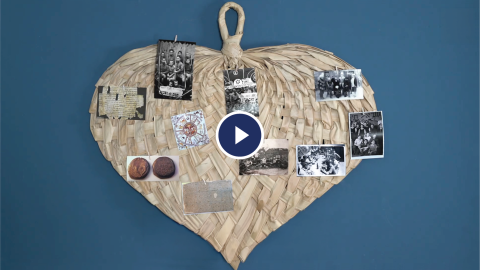
What Does It Mean to Be Jewish?
For Educators and Students: Is being Jewish about religion, peoplehood or ethnicity? Explore how these threads come together in Jewish identity, from the origins of the Jewish people to the present day.
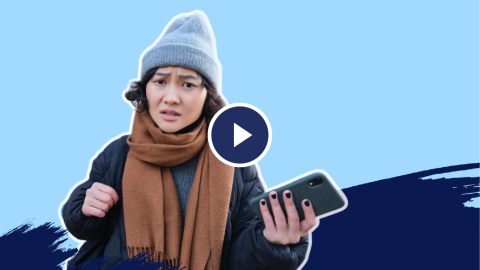
Sasha Speaks Up
For Educators and Students: A harmful joke can leave us wondering whether to laugh along, stay quiet or say something. In this scenario from the Pyramid of Hate mini-lesson, follow Sasha's story to see how everyday bias can escalate and how one person's response can prompt others to reconsider.
Educator Guide: Using Videos with Students
This guide provides tips for using ADL's short videos in your classroom, advisory period or small group sessions to help students explore identity, bias and hate in age-appropriate ways. The videos can introduce complex topics, build shared background knowledge and open meaningful discussion. Adapt the pacing, questions and supports to the video, your students' developmental needs and your classroom context.
Preview It Completely and Check Local Policies
Watch the full video before showing it to students. Identify its central idea, the background knowledge students need, any sensitive content, possible misconceptions and good places to pause. Review your school or district policies on film and video content, including any requirements for approval or family notification.
Set One or Two Objectives
Decide what students should understand, analyze or be ready to do after viewing.
Plan Access and Support
Turn on captions, pre-teach essential vocabulary and give students more than one way to participate.
Prepare Your Classroom Climate
Productive conversations about identity, bias and hate depend on trust. Before viewing:
- Establish or revisit classroom norms. If your class hasn't set norms yet, create them together before showing the video. If you already have norms, consider reviewing them briefly.
- Consider a content notice. If the video includes difficult images, language or experiences, tell students in advance what they'll see and why it matters to the lesson.
- Name sources of support. If needed, tell students who they can go to if the content upsets them, such as you, a school counselor or another trusted adult.
- Honor students' experiences without putting them on the spot. Students who are Jewish, or who belong to any group the video discusses, may have personal connections to the topic. Don't ask them to speak for their identity group, explain their experiences or educate classmates. Let them choose whether and how to participate. Watch Supporting Jewish Students for more guidance.
Activate Prior Knowledge
If you'd like to get students warmed up before a video, you could try a K-W-L chart. Students can fill in the first two columns by brainstorming what they already know and what they want to know. After the video, they can return to the last column to note what they learned.
Alternatively, use one or two of the following questions:
- What do you already know or think you know about this topic, and where did that understanding come from?
- Based on the title or a first look, what do you predict this video will be about?
- What questions are you hoping the video will help you answer?
Prepare for Follow-Up
Review your school's reporting and support procedures before discussing bias, hate or identity-based harm.
This section offers general guidance for any video in the library. For more direct, tailored guidance, including discussion questions, see the individual video pages.
Consider giving students a focused task. Ask them to track two or three of the following: the main idea, an important example, a new concept, a significant statement, a question raised by the video or a recommended action. Pause only when students need clarification or time to process an important idea.
If time allows, show the video twice:
- First viewing: Focus on the overall message.
- Second viewing: Focus on evidence, perspective, word choice and unanswered questions.
Sample Framing
“As you watch, listen for the main idea, the evidence or examples used and one question the video raises. We'll discuss the topic respectfully and support our ideas with evidence.”
Discussion Question
Refer to each video in the library for tailored questions.
Discussion Protocols
- Think, Write, Pair, Share: Pose one question, give quiet writing time, have partners discuss, then invite voluntary whole-class sharing.
- Silent Chalk Talk: Post prompts on chart paper or a digital board. Students respond in writing and build on classmates’ ideas before discussing aloud.
- Connect, Extend, Challenge: Students complete: “This connects to...,” “This extends my thinking because...” and “This challenges an idea because...”
- Four-Square Reflection: Students divide a page into four boxes: I See (visual details), I Hear (words, voices, sounds), I Think (ideas, questions) and I Feel (reactions). Remind them they decide what feelings, if any, to share publicly.
Discussion Tips
What if a student repeats a stereotype? Pause, gently name the generalization, share accurate information and redirect. You might say: "That statement generalizes about an entire group. Let's examine the assumption behind it rather than repeat it as fact."
What if a student uses a slur? Stop the language right away and explain that slurs don't belong in academic discussion. Don't ask the student to repeat the word and check in privately with anyone affected. Depending on the context and severity, an incident like this may need to be documented or reported to an administrator, counselor or other designated staff member. Review your school or district policy on bias, harassment and discipline, and when in doubt, consult an administrator.
What if a student shares a personal experience? Listen without pressing for details, thank them and protect their privacy. Avoid making them the class expert, and offer a private check-in.
What if students disagree? Welcome disagreement about ideas while keeping everyone's dignity, identity and experience respected. Remind students of classroom norms and that different opinions and ideas can be expressed without the need for debate or argument. Ask for evidence, rule out personal attacks and redirect if the conversation turns demeaning.
What if the conversation becomes intense? Pause for quiet reflection, revisit classroom norms and summarize what the class has established. Then decide whether to continue, take a break or follow up later.
Is it okay if a lesson feels a little uncomfortable? Yes. Hard topics can bring some discomfort, and that is a normal part of learning. What matters is that every student feels safe and valued in a respectful classroom.
Close and Check Understanding
Avoid ending the lesson right after discussing harm. Use one or more exit prompts:
- The video’s central idea is...
- One question I still have is...
- One safe action a student could take is...
- One person or resource I could turn to for support is...
- I used to think... and now I know...
Quick Review Check
Consider whether students can accurately summarize the video, use key vocabulary, distinguish evidence from opinion, identify harmful assumptions or misinformation, explain the impact of words and actions and name a safe, constructive response. Do not assess students based on whether they disclose personal experiences or emotions.
After Class
- Correct any misinformation that wasn’t resolved.
- Give students a way to ask questions privately.
- Document and follow up on concerning incidents.
- Connect students with appropriate support when needed.
Go Deeper
One video is a starting point. Return to these concepts in later lessons by revisiting student questions from the exit tickets and building toward longer-term action. To go further, explore ADL Education resources.
Facilitator Guide: Using Videos with Educators
This guide is designed for you to use and adapt for staff meetings, professional development sessions or coaching conversations to give educators space to explore identity, bias and hate before leading these conversations with students. ADL's short videos give colleagues a shared starting point for reflecting on their own perspectives and practice. Adapt the pacing, questions and activities to the video, your participants' roles and your school or district context.
Preview and Set a Goal
Watch the full video and identify its central idea, any sensitive content and one or two reflection goals. Turn on captions and plan for in-person, virtual or hybrid groups.
Create Space for Honest Reflection
- Set or revisit group agreements. Agree on expectations such as listening to understand, speaking from your own experience and keeping personal stories confidential.
- Acknowledge different starting points. Colleagues bring different experiences, roles and comfort levels. Make it clear that questions and uncertainty are welcome.
- Consider a content notice. If the video includes difficult images, language or experiences, tell participants in advance.
- Honor colleagues' experiences without putting them on the spot. Jewish educators, and colleagues who belong to any group the video discusses, may have personal connections to the topic. Don't ask them to speak for their identity group or educate others.
- Prepare for follow-up. Know your school's reporting and support procedures before discussing bias, hate or identity-based harm.
Activate Prior Knowledge
If you'd like to get participants warmed up before a video, you could try a K-W-L chart. They can work individually or in small groups to fill in the first two columns by brainstorming what they already know and what they want to know. After the video, they can return to the last column to note what they learned.
Alternatively, use one or two of the following questions:
- What do you already know or think you know about this topic, and where did that understanding come from (for example, your own experience, training, or media)?
- Based on the title or a first look, what do you predict this video will be about?
- What questions are you hoping the video will help you answer, and how might those answers connect to your work with students?
Ask participants to notice what resonates, what surprises them, what feels uncomfortable and what questions the video raises for them personally.
Sample Framing
“For now, watch this video as a learner, not as a teacher. Notice your own reactions. You'll decide what, if anything, you want to share.”
Reflection Questions
Refer to each video in the library for tailored questions.
Reflection Formats
- Private Journaling: Participants write for a few minutes without sharing. This works well for personal or sensitive topics.
- Learning Partners: Pairs take turns speaking for two minutes while the partner listens without responding, then discuss what they heard.
- Connect, Extend, Challenge: Participants complete three sentence starters:
- "This connects to my experience because…"
- "This extends my thinking because…"
- "This challenges an assumption I hold because…"
- Silent Chalk Talk: Participants respond to prompts on chart paper or a shared digital board and build on colleagues' ideas before discussing aloud.
Navigating Challenging Moments
Model the practices you want educators to use with students: respond clearly, keep everyone's dignity intact and stay grounded in accurate information. Follow school support and reporting procedures as needed.
- A participant repeats a stereotype: Gently name the generalization, clarify accurate information and redirect to the assumption behind it.
- A participant uses harmful language: Address it right away and explain why it causes harm. Check in privately with anyone affected and with the speaker. Depending on the context and severity, an incident like this may need to be documented or reported to an administrator, counselor or other designated staff member. Review your school or district policy on bias, harassment and discipline, and when in doubt, consult an administrator.
- A participant shares a personal experience: Listen without pressing for details, thank them and respect their privacy. Avoid making them the group's expert.
- A participant pushes back or minimizes: Acknowledge the comment and ask what's behind it. Return to the evidence in the video without debating whether bias is real.
- The conversation becomes intense: Pause for quiet reflection and revisit group agreements. Decide whether to continue, take a break or follow up later.
Remember: Some discomfort is a normal part of learning about hard topics. A respectful space is one where every participant feels safe and valued.
If participants plan to use the video with students, make sure they have access to the companion guide, Educator Guide: Using Videos with Students. It covers classroom preparation, discussion questions and formats and responses to difficult moments with students.
Rehearse a Response
Practice builds confidence. In groups of three, participants choose a challenging scenario. One person plays the student, one responds and one observes and gives feedback. Then switch roles.
Close the Session
End with one or more prompts:
- One thing I noticed about my own perspective is...
- One question I'm still thinking about is...
- One thing I'll do differently because of this conversation is...
- One colleague or resource I can turn to for support is...
After the Session
Give participants a private way to raise concerns and follow up on concerning comments. Plan follow-up discussions or coaching and explore ADL Education resources.