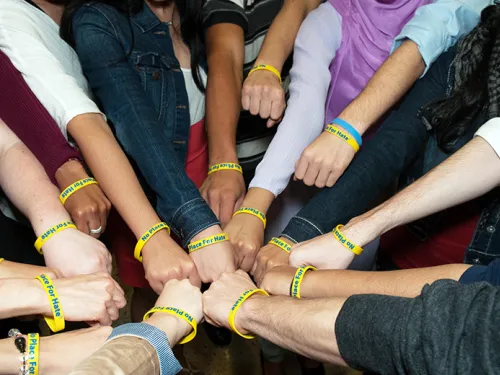











Watch a short video of an eighth grader who sees an antisemitic meme in a group chat and decides to speak up. Explore the Pyramid of Hate mini-lesson.
95 Results
BackThis animated video explores Jewish identity through religion, peoplehood and ethnicity, with 4,000 years of history for middle and high school educators.
This short ADL video gives educators strategies to support Jewish students, lead discussions on Jewish identity and respond to antisemitism and bias.
Meet ADL Ora, a free AI assistant giving K-12 educators expert-vetted resources to teach about antisemitism, the Holocaust and Jewish identity.
Learn a framework for using books to build empathy. This video supports ADL's Stories That Matter book kits for educators and parents.
This short video helps middle and high school students and educators spot antisemitic stereotypes and conspiracy theories hiding in images, memes and jokes.
This short video uses a tree metaphor to show how antisemitism grows and spreads. Designed for middle and high school students and educators.

Digital teaching kits for K-12 educators and families pair curated books with curriculum ideas to explore Jewish identity, the Holocaust and antisemitism.

Parents and caregivers: get steps and suggested language to raise concerns with teachers and schools about bias, misinformation and antisemitism in class.

Reflection questions and resources help educators teach about Israel and the Israeli-Palestinian conflict while challenging bias and keeping every student safe.
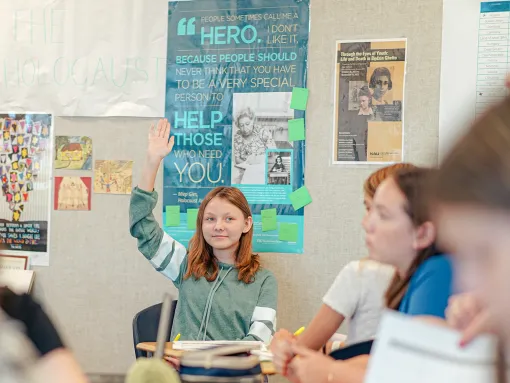
New research shows the Gringlas Unit effectively teaches students to recognize antisemitism as a recurring conspiracy theory, reducing belief in antisemitic tropes after just one lesson.
Join the ADL Innovation Lab and partner with ADL to equip students with digital literacy skills to combat online mis- and disinformation that lead to hate.

It’s critical that parents, caregivers and educators learn more about social media and how to support young people in their understanding of its power and limitations.
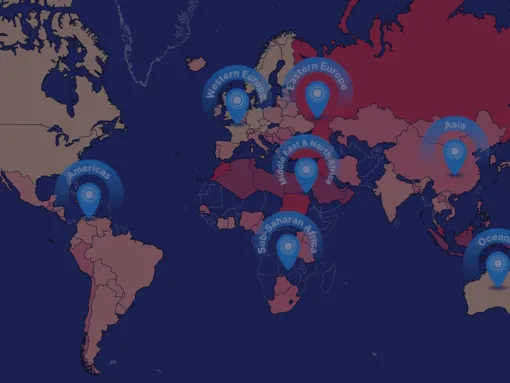
ADL's research and data on antisemitism provides a bridge between history, current events, and students' lived experiences. Explore the Global 100.
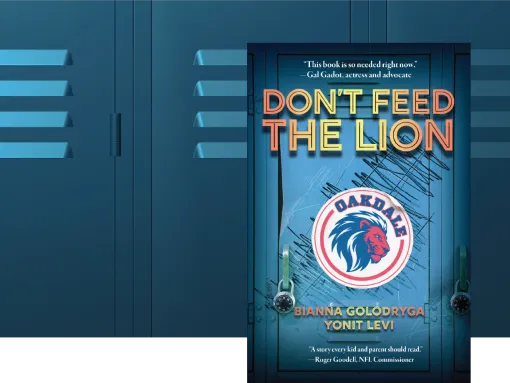
Don’t Feed the Lion: IntroductionDon’t Feed the Lion by Bianna Golodryga and Yonit Levi explores the story of antisemitism growing at Oakdale Middle School. The story begins with Theo Kaplan, a 13-year-old Chicago middle schooler and soccer captain. Theo’s world is turned upside down when his professional soccer idol, Wes Mitchell, makes an antisemitic comment that goes viral. The situation escalates when Theo discovers a swastika…

Every two years, we watch athletes compete on the world stage—and what captivates us isn't just the competition. It's the stories: the struggles, the triumphs, the personal journeys that help us see ourselves and others more clearly. The Olympics offer us a unique opportunity to explore something deeper: the complexities of identity—individual and national. When we bring these conversations into our classrooms, we're teaching students to see the human stories behind the…

Help young people use AI critically. Learn how bias and misinformation show up in AI tools, plus conversation starters and activities for families and educators.

Educators should select narratives for their classroom with thought and care—ensuring that history and fact are presented accurately and with as much balance as possible.

Publicly available maps can be inaccurate or misleading; when used as teaching aids, such biased maps can create a distorted sense of events. For this reason, educators should take care when choosing whether and how to use publicly available maps for instructional purposes, especially when covering complex and ongoing topics.

Resources to facilitate thoughtful conversations with your students about antisemitism, current events and violence, and how we build more communities that stand up to hate.