






Watch a short video of an eighth grader who sees an antisemitic meme in a group chat and decides to speak up. Explore the Pyramid of Hate mini-lesson.
134 Results
BackThis animated video explores Jewish identity through religion, peoplehood and ethnicity, with 4,000 years of history for middle and high school educators.
This short ADL video gives educators strategies to support Jewish students, lead discussions on Jewish identity and respond to antisemitism and bias.
Meet ADL Ora, a free AI assistant giving K-12 educators expert-vetted resources to teach about antisemitism, the Holocaust and Jewish identity.
Learn a framework for using books to build empathy. This video supports ADL's Stories That Matter book kits for educators and parents.
This short video helps middle and high school students and educators spot antisemitic stereotypes and conspiracy theories hiding in images, memes and jokes.
This short video uses a tree metaphor to show how antisemitism grows and spreads. Designed for middle and high school students and educators.

Digital teaching kits for K-12 educators and families pair curated books with curriculum ideas to explore Jewish identity, the Holocaust and antisemitism.

Parents and caregivers: get steps and suggested language to raise concerns with teachers and schools about bias, misinformation and antisemitism in class.

Reflection questions and resources help educators teach about Israel and the Israeli-Palestinian conflict while challenging bias and keeping every student safe.
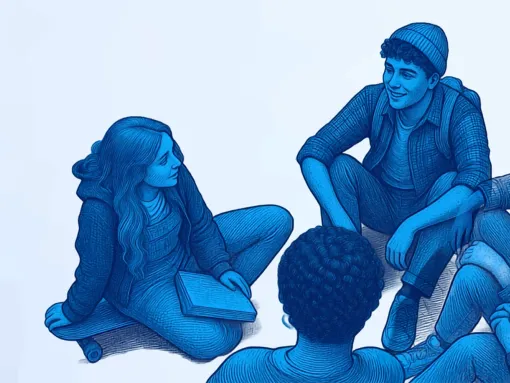
Educators can teach young people what antisemitism is, where it comes from and what it looks like today, so they can recognize and report it.
Join the ADL Innovation Lab and partner with ADL to equip students with digital literacy skills to combat online mis- and disinformation that lead to hate.

ADDITIONAL TERMS FOR EDUCATORS: Generative Artificial Intelligence (GAI): Unlike more traditional AI systems, which are typically designed to recognize patterns in existing data and make predictions based on those patterns, generative artificial intelligence (GAI) systems are designed to produce new content in response to user prompts. These outputs can include text, images, audio or video content. Examples of popular GAI chatbots include Open AI’s ChatGPT and…

It’s critical that parents, caregivers and educators learn more about social media and how to support young people in their understanding of its power and limitations.
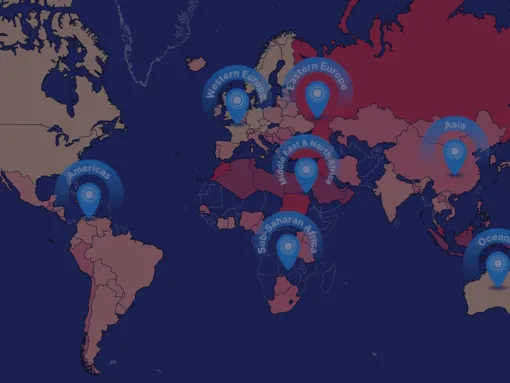
ADL's research and data on antisemitism provides a bridge between history, current events, and students' lived experiences. Explore the Global 100.

Related ContentBackground Young people are using AI (artificial intelligence) tools every day for homework, curiosity, creativity, and social interaction. While we don’t have exact statistics on daily AI usage yet, recent Pew Research Center findings suggest that AI use begins to rise sharply by early adolescence, with widespread use among teens ages 13–17. While many see AI as a useful and credible source of information, it needs to be utilized critically and thoughtfully,…

Educators should select narratives for their classroom with thought and care—ensuring that history and fact are presented accurately and with as much balance as possible.

Publicly available maps can be inaccurate or misleading; when used as teaching aids, such biased maps can create a distorted sense of events. For this reason, educators should take care when choosing whether and how to use publicly available maps for instructional purposes, especially when covering complex and ongoing topics.

Resources to facilitate thoughtful conversations with your students about antisemitism, current events and violence, and how we build more communities that stand up to hate.

In a world that is increasingly connected through social media, educators often incorporate current events into instruction. While this is an important tool for educators to make learning feel relevant and current for students, it also must be done with thought and care. Many curriculum offerings claim to offer educators resources and guidance on integrating complex current events into their classrooms, like the Israeli-Palestinian conflict. Sometimes these offerings, while claiming to provide…