


Video and Classroom Strategies AUDIENCE: Middle and High School Students and Educators How do we respond when a friend shares a harmful stereotype? In this short video, eighth grader Sasha sees an antisemitic meme in a group chat and has to decide what to do. Her story brings to life the base of the Pyramid of Hate, a model that shows how biased attitudes, when left unchallenged, can contribute to discrimination and violence. The video explores how antisemitism can hide in humor, why…
15 Results
Back
Video and Classroom Strategies AUDIENCE: K-12 Educators This short ADL video gives educators strategies to help Jewish students feel safe, seen and supported in the classroom. It shows how to lead meaningful discussions about Jewish history, culture and identity, and how to help students understand the impact of antisemitism on Jewish students and communities. The video invites teachers to think about how their classroom climate, curriculum and responses to bias can build a sense of…
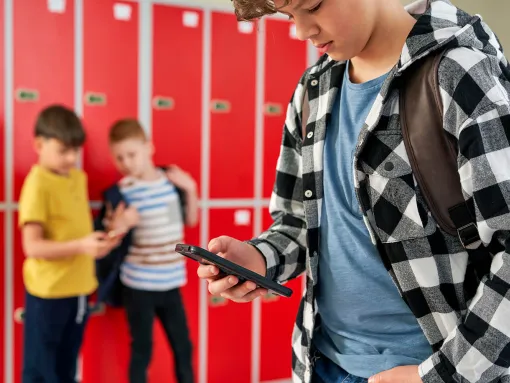
Provides information about antisemitic bullying, how it takes places in schools and among young people and what educators can do.

Table Talk: Family Conversations about Current EventsAll young people should be able to feel safe, included and respected in their classrooms and schools. Unfortunately, many do not. A recent study of high school students found that nearly four in ten students experienced identity-based bullying or bullying related to an aspect of their identity such as race, religion, sexual orientation, gender identity or physical appearance. How can we listen and learn from young people about…
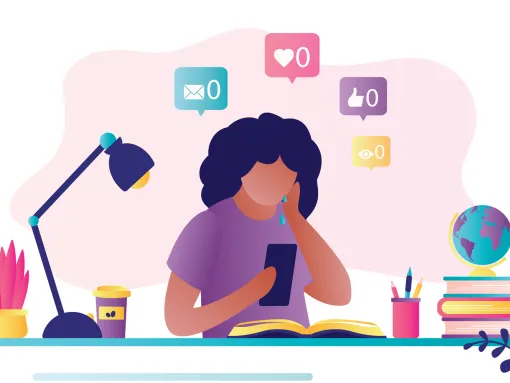
Engage your family in the conversation about tweens and their experiences in digital spaces and with cyberbullying.

For Educators | For Parents, Families, and Caregivers | For Students Tweens and teens spend a lot of time using technology, much of it positive, but it can move into cyberbullying and other online mean behavior. Below are tips young people can use in their digital lives to help them have a positive online experience and effectively respond to negative online behavior and cyberbullying. Before going online...Set guidelines.Limit electronic use.Consider what it means to be responsible online…
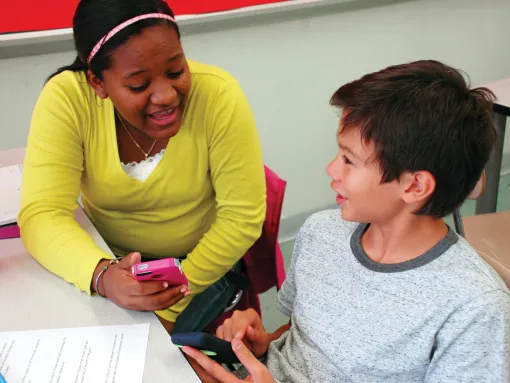
For Educators | For Parents, Families, and Caregivers | For Students Here are some simple things you can do to be an ally to targets of name-calling and bullying. And remember—always think about your safety first when deciding the best way to respond. 1. Support targets, whether you know them or not.Show compassion and encouragement to those who are the targets of bullying behavior by asking if they’re okay, going with them to get help and letting them know you are there for them…
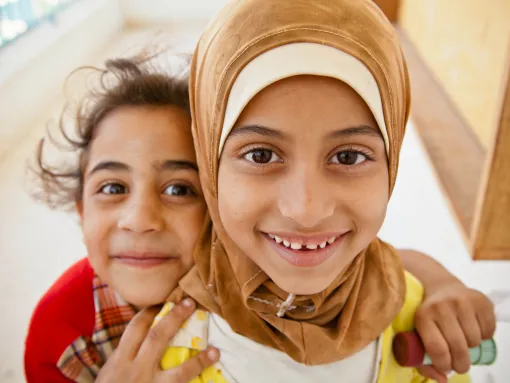
Table Talk: Family Conversations About Current EventsWhen there are periods of heightened violence and war in the news, oftentimes one or more marginalized identity groups can become the focus of attention, anger, hostility and bias even far removed from the location of the conflict. When there is conflict in the Middle East, Muslims and Muslim Americans often face such hostility, bias and even violence. With the continued scrutiny and conflict with Israel since 2023, ADL has tracked an uptick…
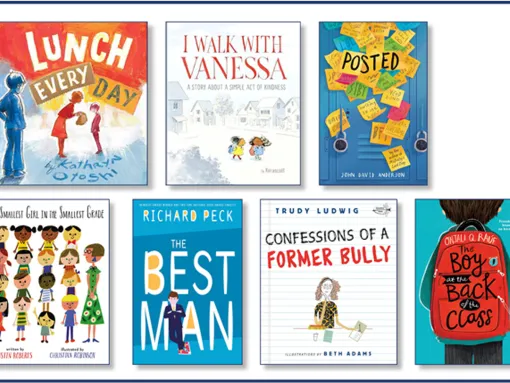
While bullying is still a problem in schools, the intersection of bias and bullying can be particularly harmful. Identity-based bullying is when a person is targeted based on an essential part of their identity (e.g., race, immigration status, sexual orientation, religion, or gender identity). It is common in schools and not only impacts the targeted person but everyone else around them that shares their identity. Identity-based bullying can leave all students feeling unsafe and fearful that…
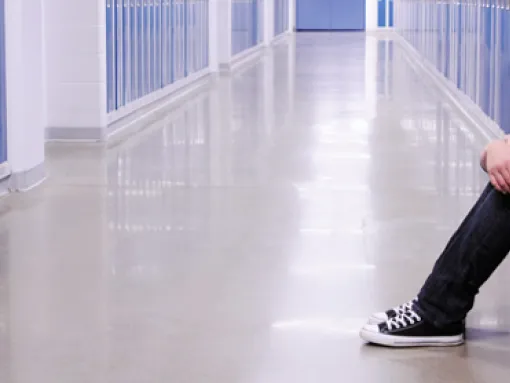
Table Talk: Family Conversations About Current EventsBullying is a phrase we hear regularly and often: in the media, on TV shows and movies, in schools and in conversations among both adults and children. Parents, students and schools are rightfully worried about bullying. It is a problem and cause for concern but may not be as widespread as many think because the term “bullying” is often used as an umbrella to describe all kinds of mean behavior—from a rude comment to a…
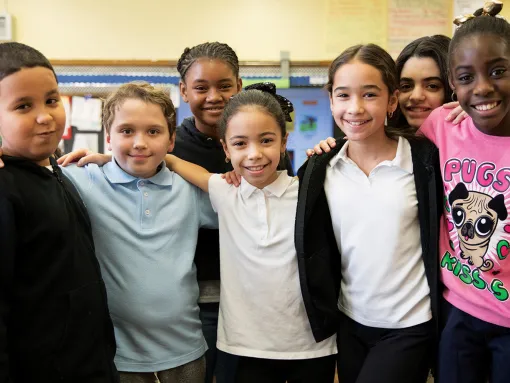
In recent years, we have seen alarming images and biased language in schools and universities: name-calling, hate-filled taunts, vandalism, racial slurs and epithets, offensive graffiti on desks and bathroom walls. In addition, many young people—especially those whose identities have been targeted publicly with words and actions—are fearful and worried. Teachers have had to work overtime to console those students and provide resources to get help. Schools must be places where…
For Educators | For Parents, Families, and Caregivers | For Students Here are some simple things you can do to be an ally to targets of name-calling and bullying. And remember—always think about your safety first when deciding the best way to respond. 1. Support targets, whether you know them or not.Show compassion and encouragement to those who are the targets of bullying behavior by asking if they’re okay, going with them to get help and letting them know you are there for them…
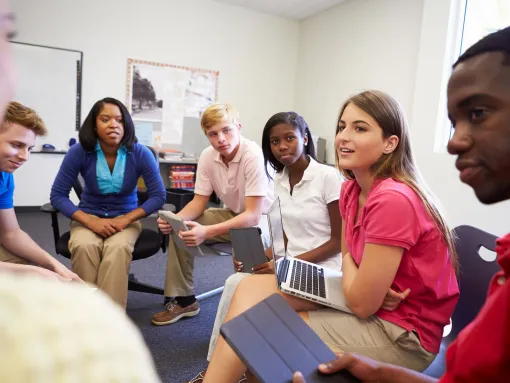
Young people are exposed to discussions of extremism every day through social media, news and overheard conversations between adults. As an educators, the topic can be challenging to teach because the situation is always changing and evolving and worse--classroom conversations can themselves lead to stereotyping, bias and bigotry when discussing perpetrators, targets and victims. The following resources will help you teach about extremism while ensuring that the…

For Educators In many of ADL’s lesson plans and activities, students are challenged to explore and articulate their personal feelings about sensitive topics including segregation, discrimination, and the value of diverse school communities. Talking about themes related to diversity requires that students demonstrate maturity and compassion for others. In conjunction with social justice curricula, it is therefore recommended that teachers use service learning, conflict resolution,…

On a daily basis—in the lunchroom, at the grocery store, in school hallways, in our political rhetoric and even at home—people hear and sometimes use words and phrases that demean, ridicule, offend or show ignorance about people from different groups and backgrounds. Regardless of whether the comments are deliberately malicious, said because the person lacks knowledge, or thought to be "a joke," such words are harmful and not only impact those on the receiving end but also everyone…