










Practical, nonlegal guidance for college and university faculty responding to antisemitism and anti-Israel bias in classroom settings.
1118 Results
Back
This ADL Center on Extremism report details and analyzes the domestic extremist-related murders in the United States in 2024

This report provides a snapshot of antisemitism and extremism in Oregon and Washington, highlighting key trends tracked by the ADL Center on Extremism.

In a new study, the ADL Center on Extremism found 1.8+ million unique pieces of extremist or hateful content on Steam.

The ADL Center on Extremism (COE) conducted a comprehensive analysis of violent antisemitism and anti-Israel content on Telegram following the 10/7 attacks.

A look at the 10 most prevalent trends in antisemitic messaging, tactics, and patterns post-Oct. 7
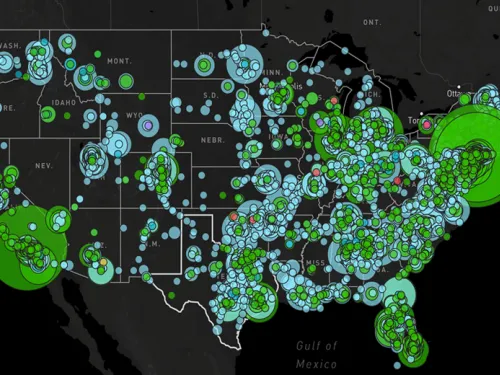
The ADL Center on Extremism tallied 2,087 anti-Israel incidents on U.S. college campuses between June 1, 2023, and May 31, 2024.

An extremist belief system that blends concepts from neo-Nazism with some forms of Satanism and treats violence as a spiritual practice.

Antisemitism in the Com signals transgression, intimidates victims, helps members gain status, and connects them to other extremist communities.

Most acts of targeted violence don't happen without warning. Learn about the signs experts look for in someone who may be on a pathway to violence

The difference between a foiled plot and a tragedy can be just one person. Learn why it's important to speak up about concerning behaviors, and how to do it

This educational resource explores categories of security measures to make sites harder to target for violence.

Each stage along the pathway reflects an escalation in thought and behavior, leading toward violence.

Learn how to recognize these attacks and how to respond to them

Behavioral Threat Assessment and Management (BTAM) is a proactive, evidence-based approach to identify, assess, and help individuals who exhibit concerning and threatening behaviors. The goal is to prevent violence before it happens by connecting individuals with appropriate support and resources. BTAM helps law enforcement understand the current threat environment and how different factors affect each community. There are several resources available on BTAM best practices, including the…
Behavioral Threat Assessment and Management (BTAM) is a systematic, evidence-based process used by schools, workplaces, and law enforcement to identify, assess, and manage individuals who may pose a threat to themselves or others. The model provides a structured way to notice warning signs, understand what they mean, and take action before anyone gets hurt. BTAM helps answer important questions like: Is this person in crisis? Are they at risk of hurting themselves or others? What support do…

Antisemitism in the TCC shows up as casual slurs and inside jokes; admiration for antisemitic killers; extremist iconography like swastikas; and as part of how an attacker frames their violence.
BTAM helps schools, workplaces, clinicians, and law enforcement spot warning signs in persons who may be in crisis and intervene before violence occurs.

A loosely connected global network of online actors involved in illicit and harmful activities, like swatting, sadistic online exploitation (SOE), ransomware attacks, and distributing child sexual abuse material.

A glossary that explains some of the popular terms, references, and images used to signal transgression and belonging in online communities that glorify mass violence and extremist killings.