



Watch brief ADL videos that help educators and students explore antisemitism, Jewish identity, bias and inclusion. Share with a class or watch on your own.
17 Results
BackWatch a short video of an eighth grader who sees an antisemitic meme in a group chat and decides to speak up. Explore the Pyramid of Hate mini-lesson.
Video and Classroom Strategies AUDIENCE: K-12 Educators This short ADL video gives educators strategies to help Jewish students feel safe, seen and supported in the classroom. It shows how to lead meaningful discussions about Jewish history, culture and identity, and how to help students understand the impact of antisemitism on Jewish students and communities. The video invites teachers to think about how their classroom climate, curriculum and responses to bias can build a sense of…

Artificial intelligence is rapidly reshaping how people consume and trust information—including what books they read. Amazon, the world’s largest bookseller, uses Large Language Models (LLMs) to generate short, snappy summaries of customer reviews. While this may be useful when applied to bedsheets or kitchen appliances, applying AI to book reviews—without human oversight—is proving to be deeply problematic. We found that AI-generated reviews are promoting books that…
White supremacists, antisemites and racists rally behind a woman who called a Black child a racial slur, helping her raise over $700K while spreading hate.
Teach students about the history of the N-word, its harm and impact and engage them in exploring school-based scenarios.

This discussion guide about the musical Parade will help middle and high school students and adults reflect upon and discuss the themes and artistic elements of Parade.

Teach students about Bellen Woodard, how she became a "crayon activist," and how they can change something they think is unjust.
Civics Lesson
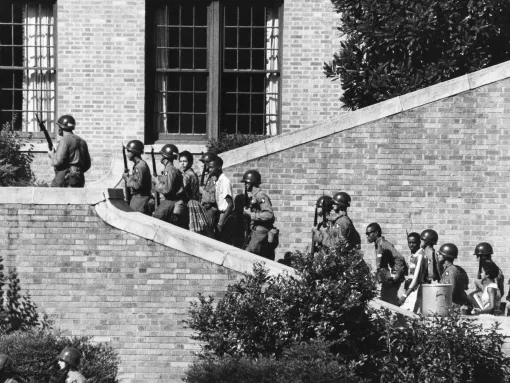
GRADE LEVEL: High School How Were Youth Involved in the Civil Rights Movement?
Throughout history, young people have stepped up and into leadership roles during different civil rights and social movements. This was never more evident than in the Civil Rights Movement, where young people were on the frontlines of the Montgomery bus boycotts, Freedom Rides and sit-ins. Given that student activism is on the rise again across the U.S., understanding how those young voices…

GRADE LEVEL: Elementary School, Middle School
COMMON CORE STANDARDS: Reading, Writing, Speaking and Listening, Language Does Entertainment Represent Our Increasingly Diverse Society?In recent years, we have seen some progress made in terms of the diversity and representation of characters and actors we see in movies and on television. For example, over the last sixteen years, the percentage of Asian characters with speaking roles increased from 3.4% to 15.9%. However, there is still much…
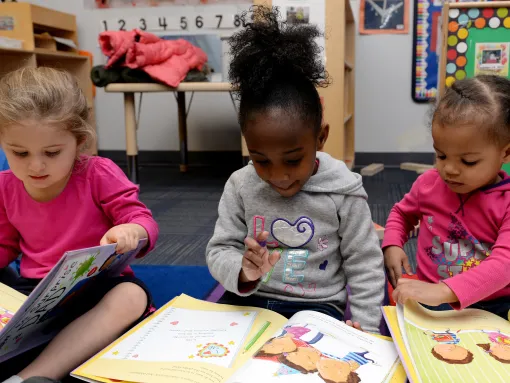
Teach students about the importance of diverse literature and engage them in a study on the diversity of books in their classroom or school library.
Teach students about why slurs are and why they are harmful, helping them explore possible responses to slurs when they hear them.

GRADE LEVEL: Elementary School, Middle School, High School
COMMON CORE STANDARDS: Reading, Writing, Language, Speaking and Listening Commemorating National Hispanic Heritage Month
In commemoration of National Hispanic Heritage Month, we present this resource to help teachers engage students in thinking broadly and critically about the Hispanic American experience in all of its complexity. In highlighting the significant events as well as people that have made a substantial contribution…
GRADE LEVEL: High School
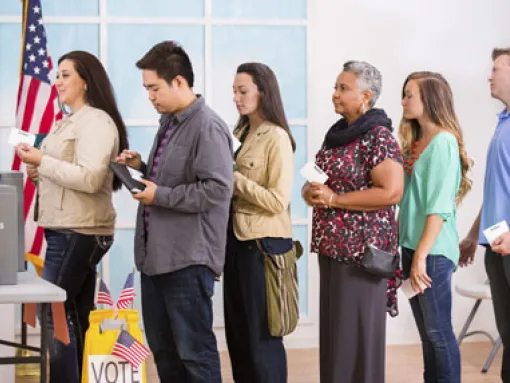
COMMON CORE STANDARDS: Reading, Writing, Speaking and Listening Racial Discrimination and Safeguarding the Right to Vote In August 2015, we commemorated the 50th anniversary of the Voting Rights Act which was signed into law by President Lyndon Johnson in 1965. The Voting Rights Act is landmark federal legislation that was enacted during the Civil Rights Movement and was intended to prevent racial discrimination in voting. Prior to that, even though Black…
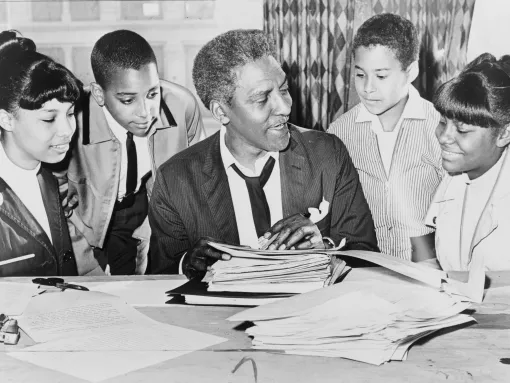
Engage students in activities that get them to think broadly and critically about the Black experience in all of its complexity.
GRADE LEVEL: Elementary School, Middle School, High School
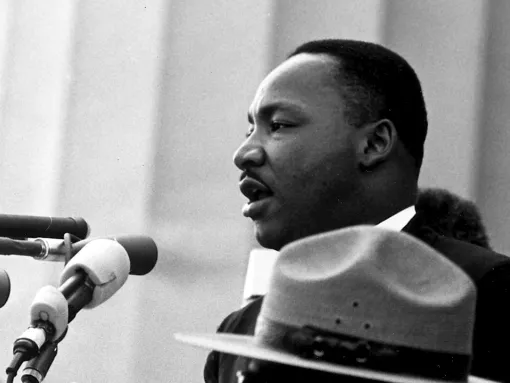
COMMON CORE STANDARDS: Reading, Writing, Speaking and Listening, History/Social Studies In commemoration of Martin Luther King, Jr. Day, this curriculum for grades 3–12 provides grade-specific lessons, resources and extension activities to provide your students opportunities to examine civil rights in the United States past and present. The lessons provide an opportunity for students to delve deeper into Martin Luther King Jr…
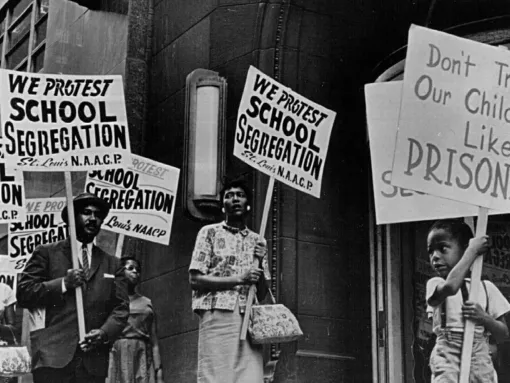
GRADE LEVEL: Middle School, High School COMMON CORE STANDARDS: Reading, Speaking and Listening, Language “We conclude that in the field of public education the doctrine of ‘separate but equal’ has no place. Separate educational facilities are inherently unequal.” These are the words of the landmark Supreme Court decision on May 17, 1954 that declared segregated schools unconstitutional. More than seventy years later, even though much progress has been made, there are…