









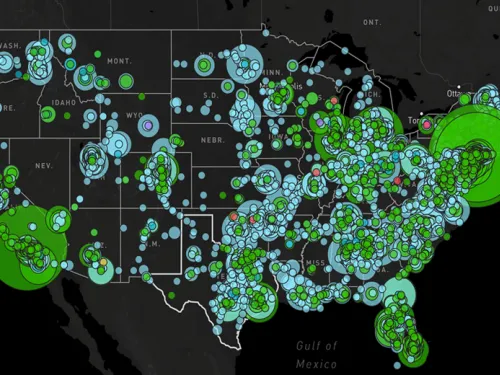

Watch brief ADL videos that help educators and students explore antisemitism, Jewish identity, bias and inclusion. Share with a class or watch on your own.
485 Results
Back
Video and Classroom Strategies AUDIENCE: Middle and High School Students and Educators How do we respond when a friend shares a harmful stereotype? In this short video, eighth grader Sasha sees an antisemitic meme in a group chat and has to decide what to do. Her story brings to life the base of the Pyramid of Hate, a model that shows how biased attitudes, when left unchallenged, can contribute to discrimination and violence. The video explores how antisemitism can hide in humor, why…
Video and Classroom Strategies AUDIENCE: K-12 Educators This short ADL video gives educators strategies to help Jewish students feel safe, seen and supported in the classroom. It shows how to lead meaningful discussions about Jewish history, culture and identity, and how to help students understand the impact of antisemitism on Jewish students and communities. The video invites teachers to think about how their classroom climate, curriculum and responses to bias can build a sense of…
These suggested No Place for Hate® activities are differentiated for elementary, middle and high school students. The activities can be used as a follow-up to watching the webinar, “Connecting Stories and Legacies: A Conversation with Author Gordon Korman and Rachelle Goldstein” which aired on 2/11/25. To make this a NPFH activity towards designation, watch the video, engage students in a discussion using the discussion questions and do one of the additional activities included…

About Stories That MatterStories That Matter is a collection of digital teaching kits for K-12 educators and families. Each kit pairs curated books with flexible curriculum ideas and discussion tools to explore Jewish identity, the Holocaust and antisemitism. Books are powerful teaching tools. They can serve as windows into the lives and histories of others, mirrors that reflect students’ own identities and experiences, and doors that invite readers into new perspectives and…
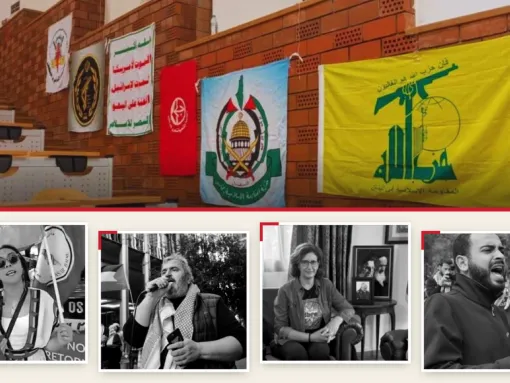
Masar Badil is an extreme antizionist organization sanctioned by the U.S. government as a Specially Designated Global Terrorist (SDGT) entity for its ties to Samidoun, itself sanctioned as a front for the PFLP.

This report details the real human impact of some of the sites Cloudflare sustains and evaluates the systemic policy and enforcement gaps that allow them to remain operational.

ADL examined the strategic evolution of anti-Israel activism on U.S. campuses and provides recommendations for universities to respond proactively to changing tactics.

This ADL Center on Extremism report details and analyzes the domestic extremist-related murders in the United States in 2024

This report provides a snapshot of antisemitism and extremism in Oregon and Washington, highlighting key trends tracked by the ADL Center on Extremism.
Majority of Jewish parents surveyed report antisemitism in K-12 schools; and despite high public support for Holocaust and antisemitism education, less than 1/3 get it.
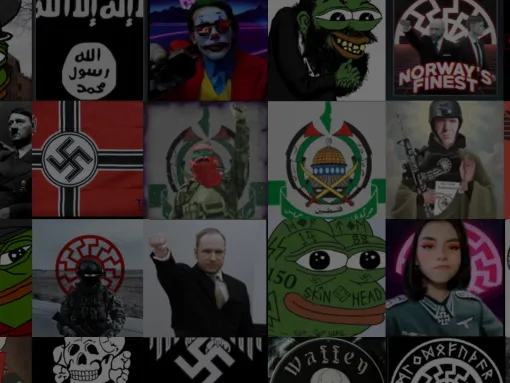
In a new study, the ADL Center on Extremism found 1.8+ million unique pieces of extremist or hateful content on Steam.

A look at the 10 most prevalent trends in antisemitic messaging, tactics, and patterns post-Oct. 7

An extremist belief system that blends concepts from neo-Nazism with some forms of Satanism and treats violence as a spiritual practice.

Antisemitism in the Com signals transgression, intimidates victims, helps members gain status, and connects them to other extremist communities.

Most acts of targeted violence don't happen without warning. Learn about the signs experts look for in someone who may be on a pathway to violence

Each stage along the pathway reflects an escalation in thought and behavior, leading toward violence.

Learn how to recognize these attacks and how to respond to them

Behavioral Threat Assessment and Management (BTAM) is a systematic, evidence-based process used by schools, workplaces, and law enforcement to identify, assess, and manage individuals who may pose a threat to themselves or others. The model provides a structured way to notice warning signs, understand what they mean, and take action before anyone gets hurt. BTAM helps answer important questions like: Is this person in crisis? Are they at risk of hurting themselves or others? What support do…
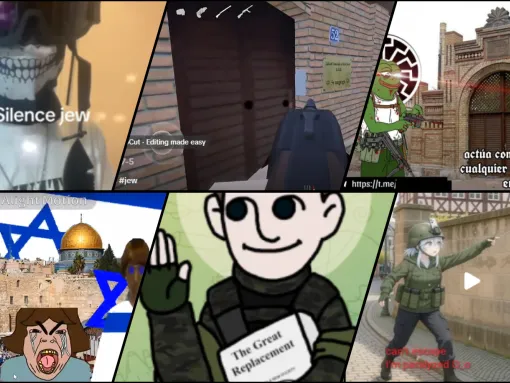
Antisemitism in the TCC shows up as casual slurs and inside jokes; admiration for antisemitic killers; extremist iconography like swastikas; and as part of how an attacker frames their violence.