Understanding Targeted Violence: Becoming an Upstander
Tools and Strategies
The difference between a foiled plot and a tragedy can be just one person. Learn why it's important to speak up about concerning behaviors, and how to do it
Antisemitism on Reddit: Addressing Moderator Concerns
Report
18 min read Executive SummaryA group of moderators, who were struggling to cope with antisemitism in their communities on the social media platform Reddit, reached out to the ADL Center for Technology and Society (CTS) for support. Following engagement with Reddit—based on research into these moderators’ experiences—the platform took several important steps to support these moderators and stem instances of antisemitism on the site. Some of these steps include: …
The CAR Interventions to Counter Antisemitism: Quarterly Insights series includes insights from the most promising interventions studied by CAR and the team’s partners.
Attitudes Toward Jews and Israel on California Campuses: Results from a New Survey
Report
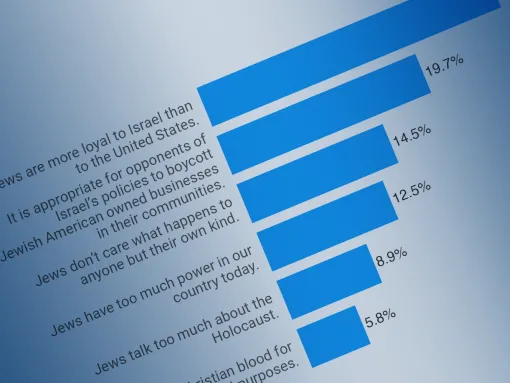
Sponsored by CAR, Dr. Jeffrey Kopstein, Ana Schugurensky and Dr. Rachel Shenhav-Goldberg investigated anti-Jewish and anti-Israel attitudes on four UC campuses.
Behavioral Threat Assessment and Management (BTAM): A Guide for Law Enforcement
Tools and Strategies
Behavioral Threat Assessment and Management (BTAM) is a proactive, evidence-based approach to identify, assess, and help individuals who exhibit concerning and threatening behaviors. The goal is to prevent violence before it happens by connecting individuals with appropriate support and resources. BTAM helps law enforcement understand the current threat environment and how different factors affect each community. There are several resources available on BTAM best practices, including the…
Behavioral Threat Assessment and Management (BTAM): A Guide for Educators
Tools and Strategies
Behavioral Threat Assessment and Management (BTAM) is a systematic, evidence-based process used by schools, workplaces, and law enforcement to identify, assess, and manage individuals who may pose a threat to themselves or others. The model provides a structured way to notice warning signs, understand what they mean, and take action before anyone gets hurt. BTAM helps answer important questions like: Is this person in crisis? Are they at risk of hurting themselves or others? What support do…
When Fandom Meets Hate: Antisemitism in the True Crime Community (TCC)
Article
Antisemitism in the TCC shows up as casual slurs and inside jokes; admiration for antisemitic killers; extremist iconography like swastikas; and as part of how an attacker frames their violence.
What is Behavioral Threat Assessment and Management (BTAM)?
Tools and Strategies
BTAM helps schools, workplaces, clinicians, and law enforcement spot warning signs in persons who may be in crisis and intervene before violence occurs.
A loosely connected global network of online actors involved in illicit and harmful activities, like swatting, sadistic online exploitation (SOE), ransomware attacks, and distributing child sexual abuse material.
The Memetic Violence Field Guide: Terms, Symbols, and Phrases in Violent Online Subcultures
Tools and Strategies
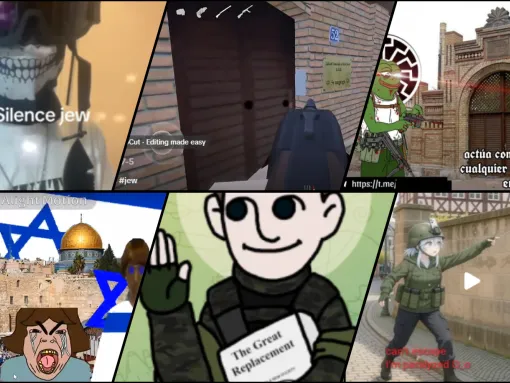
A glossary that explains some of the popular terms, references, and images used to signal transgression and belonging in online communities that glorify mass violence and extremist killings.
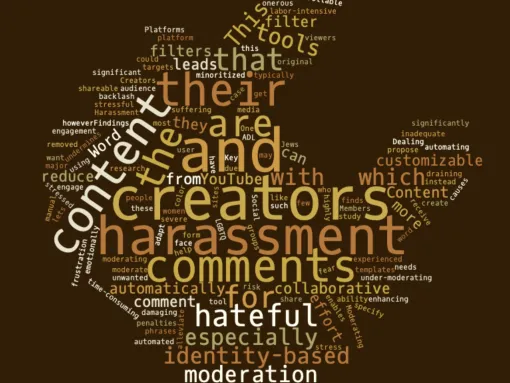
Tools Against Harassment: Empowering Content Creators
Report
ADL interviews content creators about their experiences with harassment in their comment sections and frustrations with the moderation tools available to them
Online Hate and Harassment: The American Experience 2024
Report
ADL's 2024 survey shows online hate and harassment statistics for adults and teens, with data, analysis, and policy recommendations for tech companies and government.
Hate Thy Neighbor: Online Hate in Local Communities
Report
Read Time: 54 mins Executive SummarySome Facebook groups in local communities have become toxic sites of harassment, particularly identity-based harassment against Jews, women, LGBTQ+ advocates, immigrants, and people of color. ADL has investigated online hate and harassment occurring on Facebook groups or pages in three local regions through interviews with community members, targets, and regional directors, combined with online observation, content review, and quantitative data…
Addressing Extremism in Online Games Through Platform Policies
Report
With recent ADL research showing that 15% of adults and 9% of young people have been exposed to white supremacist ideology while playing online games, ADL has examined three leading game companies’ policies to see how they prohibit content that promotes extremism and terrorism in their online multiplayer games. Despite widespread exposure to such content, game companies have generally been slower than social media companies to address this issue. ADL recommends that…
Playing with Hate: How People with Jewish Usernames are Abused in Online Competitive Games
Report
People playing online competitive multiplayer experiences (online games) experience more hate and harassment when playing with a jewish username, shows a study for ADL