

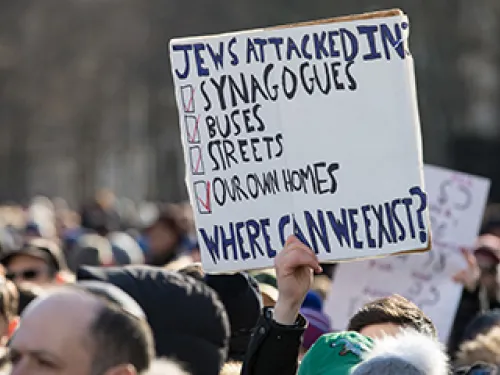
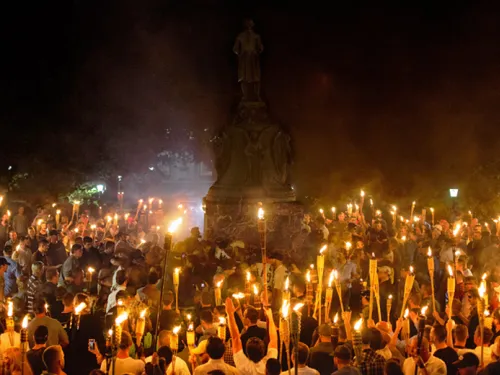




Watch brief ADL videos that help educators and students explore antisemitism, Jewish identity, bias and inclusion. Share with a class or watch on your own.
16 Results
Back
Video and Classroom Strategies AUDIENCE: Middle and High School Students and Educators How do we respond when a friend shares a harmful stereotype? In this short video, eighth grader Sasha sees an antisemitic meme in a group chat and has to decide what to do. Her story brings to life the base of the Pyramid of Hate, a model that shows how biased attitudes, when left unchallenged, can contribute to discrimination and violence. The video explores how antisemitism can hide in humor, why…
Video and Classroom Strategies AUDIENCE: K-12 Educators This short ADL video gives educators strategies to help Jewish students feel safe, seen and supported in the classroom. It shows how to lead meaningful discussions about Jewish history, culture and identity, and how to help students understand the impact of antisemitism on Jewish students and communities. The video invites teachers to think about how their classroom climate, curriculum and responses to bias can build a sense of…

Guide for educators of common questions that may arise when teaching Jewish American Heritage lesson plans.

Engage in a family conversation about the origins of Jewish American Heritage Month and why we celebrate and commemorate it.
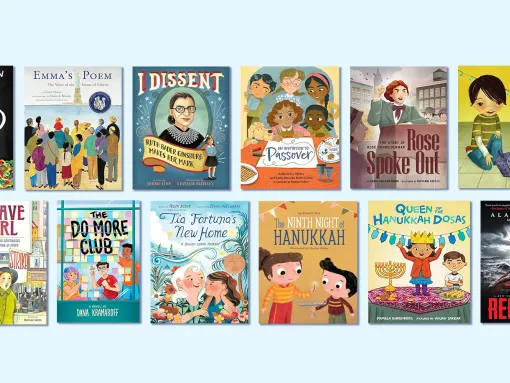
Children's books about Jewish people and the Jewish experience

Help students explore and think critically about films on the Jewish experience.
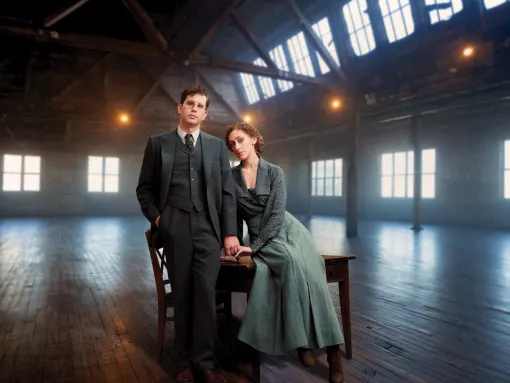
This discussion guide about the musical Parade will help middle and high school students and adults reflect upon and discuss the themes and artistic elements of Parade.
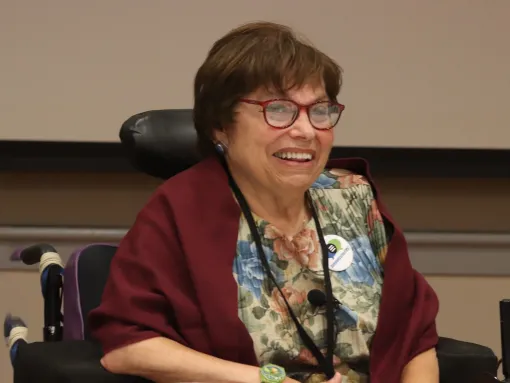
Teach students about disability rights activist Judy Heumann and what work in schools and communities still remains.
Civics Lesson
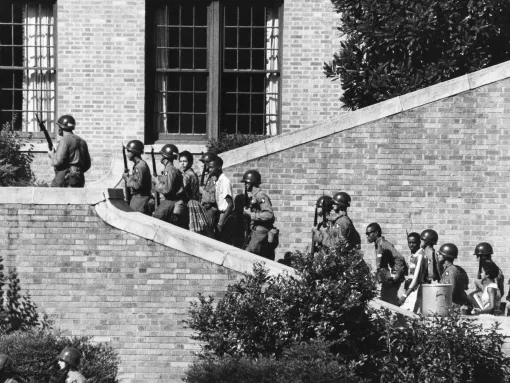
GRADE LEVEL: High School How Were Youth Involved in the Civil Rights Movement?
Throughout history, young people have stepped up and into leadership roles during different civil rights and social movements. This was never more evident than in the Civil Rights Movement, where young people were on the frontlines of the Montgomery bus boycotts, Freedom Rides and sit-ins. Given that student activism is on the rise again across the U.S., understanding how those young voices…
Echoes & Reflections
GRADE LEVEL: Middle School, High School
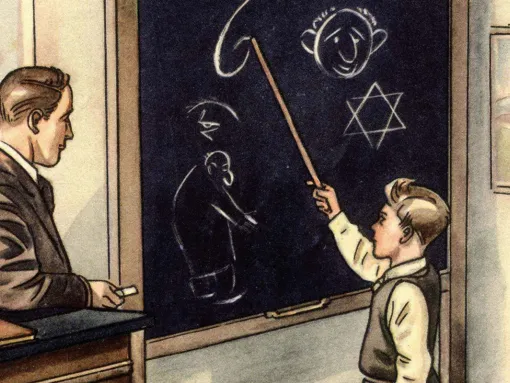
COMMON CORE STANDARDS: Reading, Writing, Speaking and Listening In this unit, students learn about the origins of antisemitism and how this hatred was exploited by the Nazis during the 1920s and 1930s as part of their racist ideology. Students define the terms antisemitism and stereotype, review text and video sources, and create a timeline reflecting examples of antisemitism throughout history. Students will…
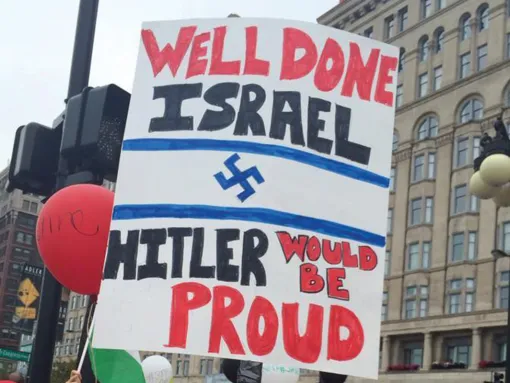
Echoes & Reflections: Teaching the HolocaustGRADE LEVEL: Middle School, High School
COMMON CORE STANDARDS: Reading, Writing, Speaking and Listening, Language The lessons in this unit increase students’ understanding of Jewish people and awareness that antisemitism did not end after the Holocaust, and provide them with opportunities to learn about the persistence of antisemitism in its contemporary forms. Students investigate the ways in which old ideas about Jews and Judaism have…
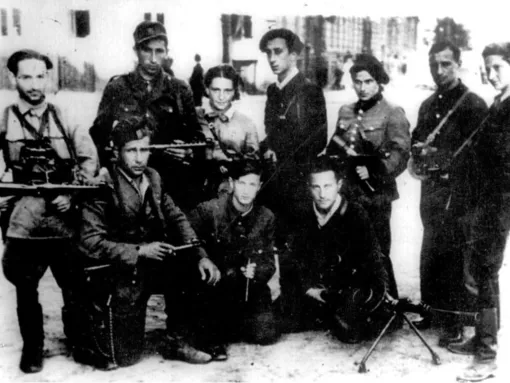
GRADE LEVEL: Middle School, High School COMMON CORE STANDARDS: Reading, Writing, Speaking and Listening This unit provides an opportunity for students to explore Jewish resistance efforts during the Holocaust—focusing on the period from the establishment of the ghettos through the implementation of the “Final Solution.” An opportunity is provided for students to learn about the risks of resisting Nazi domination and the means, scope, and intensity of resistance…
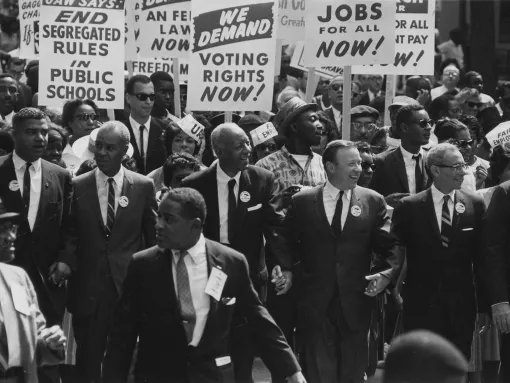
The Civil Rights Movement of the 1950’s and 1960’s came about out of the need and desire for equality and freedom for African Americans and other people of color. Nearly one hundred years after slavery was abolished, there was widespread segregation, discrimination, disenfranchisement and racially motivated violence that permeated all personal and structural aspects of life for black people. “Jim Crow” laws at the local and state levels barred African Americans from…
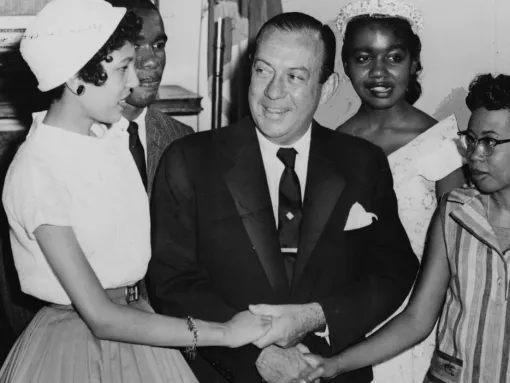
Minnijean Brown, Elizabeth Eckford, Carlotta Walls, Mayor Wagner, Thelma Mothershed, Gloria Ray, Terrance Roberts, Ernest Green, Melba Pattilo, Jefferson Thomas.
On September 23, 1957 in Little Rock, Arkansas, these nine African-American students quietly slipped into Central High School through the side door with the assistance of the city’s police, while an angry white mob numbering 1,000 swarmed the front of the school to await their arrival. Upon learning of their entry, the…
The Civil Rights Act of 1964 was signed into law by President Lyndon Johnson on July 2, 1964. The Act prohibited discrimination in public places, provided for the integration of schools and other public facilities and made employment discrimination illegal based on race, color, religion, sex or national origin. The document was the most sweeping civil rights legislation since Reconstruction. As we commemorate the anniversary of the Civil Rights Act, we have an opportunity to teach and learn…