

Watch a short video of an eighth grader who sees an antisemitic meme in a group chat and decides to speak up. Explore the Pyramid of Hate mini-lesson.
20 Results
BackThis animated video explores Jewish identity through religion, peoplehood and ethnicity, with 4,000 years of history for middle and high school educators.
This short ADL video gives educators strategies to support Jewish students, lead discussions on Jewish identity and respond to antisemitism and bias.
Meet ADL Ora, a free AI assistant giving K-12 educators expert-vetted resources to teach about antisemitism, the Holocaust and Jewish identity.
Learn a framework for using books to build empathy. This video supports ADL's Stories That Matter book kits for educators and parents.
This short video helps middle and high school students and educators spot antisemitic stereotypes and conspiracy theories hiding in images, memes and jokes.
This short video uses a tree metaphor to show how antisemitism grows and spreads. Designed for middle and high school students and educators.
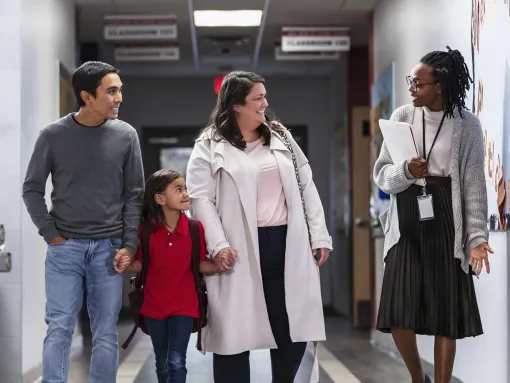
IntroductionIn the classroom, educators are often looking to create spaces for discussion and learning about unfolding current events, like the ongoing Israeli-Palestinian conflict, October 7th and the subsequent Hamas-Israel War. Learning about any current events risks harmful incidents among students. However, there is also an opportunity for a meaningful and nuanced learning experience that may still cause discomfort or emotional reactions, but can create new…
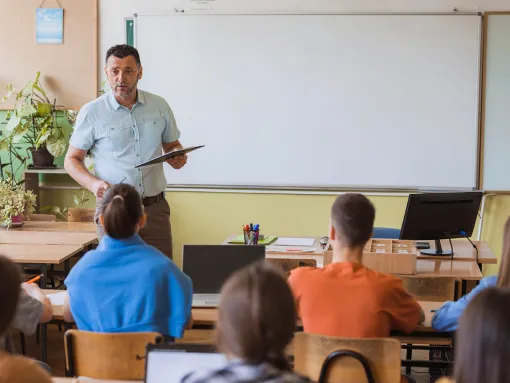
IntroductionFeelings of fear, powerlessness and vulnerability are common experiences all people share whenever acts of hatred, terrorism, or mass shootings occur, and feelings are personally compounded when the events target a group with which members of the school community identify. Children and teens are not immune to these feelings, but adults can help by providing information that answers their questions, giving them opportunities to express how they feel, reassuring them that adults in…
Practical, nonlegal guidance for college and university faculty responding to antisemitism and anti-Israel bias in classroom settings.

In a world that is increasingly connected through social media, educators often incorporate current events into instruction. While this is an important tool for educators to make learning feel relevant and current for students, it also must be done with thought and care. Many curriculum offerings claim to offer educators resources and guidance on integrating complex current events into their classrooms, like the Israeli-Palestinian conflict. Sometimes these offerings, while claiming to provide…

Educators surveyed in a 2025 RAND study said that after school curricula and U.S. Holocaust Memorial Museum materials, YouTube is their most-used supplement for teaching the Holocaust and related Jewish topics. Although its videos are free and visually engaging, their quality varies; for example, Vox’s “The Israel-Palestine Conflict: A Brief, Simple History” can appear more reliable than it is. Vox itself is an American news and opinion website that leans towards the…

In recent years, the education landscape has changed dramatically. With the rise of AI platforms like ChatGPT and resource sharing hubs like Teachers Pay Teachers, there are many organizations and resources that claim to offer quality material—often at no cost. The rise of these platforms coincides with a change in trends for educators. According to a report from Education Week, the average teacher uses five supplemental resources and two core curricula sources. While the intention…

Back to School is a busy time for all. Explore our resources for both educators and families to support creating classrooms where all students can thrive.
National heritage and celebration months are excellent opportunities to explore, celebrate and educate about the many cultures and peoples of the United States.

Help students explore and think critically about films on the Jewish experience.
Use this collection of classroom activities about holidays and observances to enhance students' understanding of our multicultural society and world.

There are many benefits to humor. A good joke can ease tension in a stressful situation. Humor can connect people and bring them together. Jokes can bring levity to a situation that begs for lightheartedness. Being funny can signal to others who you are. Humor can even open a conversation that previously felt closed or off-limits. However, jokes and humor, when they target social identity groups, can do the opposite. They can make people feel unsafe, disconnected, excluded and…
For Educators In fostering inclusive, equitable and safe schools, we encourage educators to develop group guidelines for respect and safety in the classroom. These classroom guidelines can be created in a variety of ways and the list typically includes recommendations such as: Share air timeActively listenShow empathyRespect confidentialityParticipate fullyAssume good willBe sensitive to feelingsHowever, there is often a need to go further and frame guidelines around the concept of bravery…
Increase your awareness of religious obligations and ethnic and cultural festivities that may affect students, colleagues and neighbors in your community.